
Youth Homelessness and Animal Companionship Research Summary
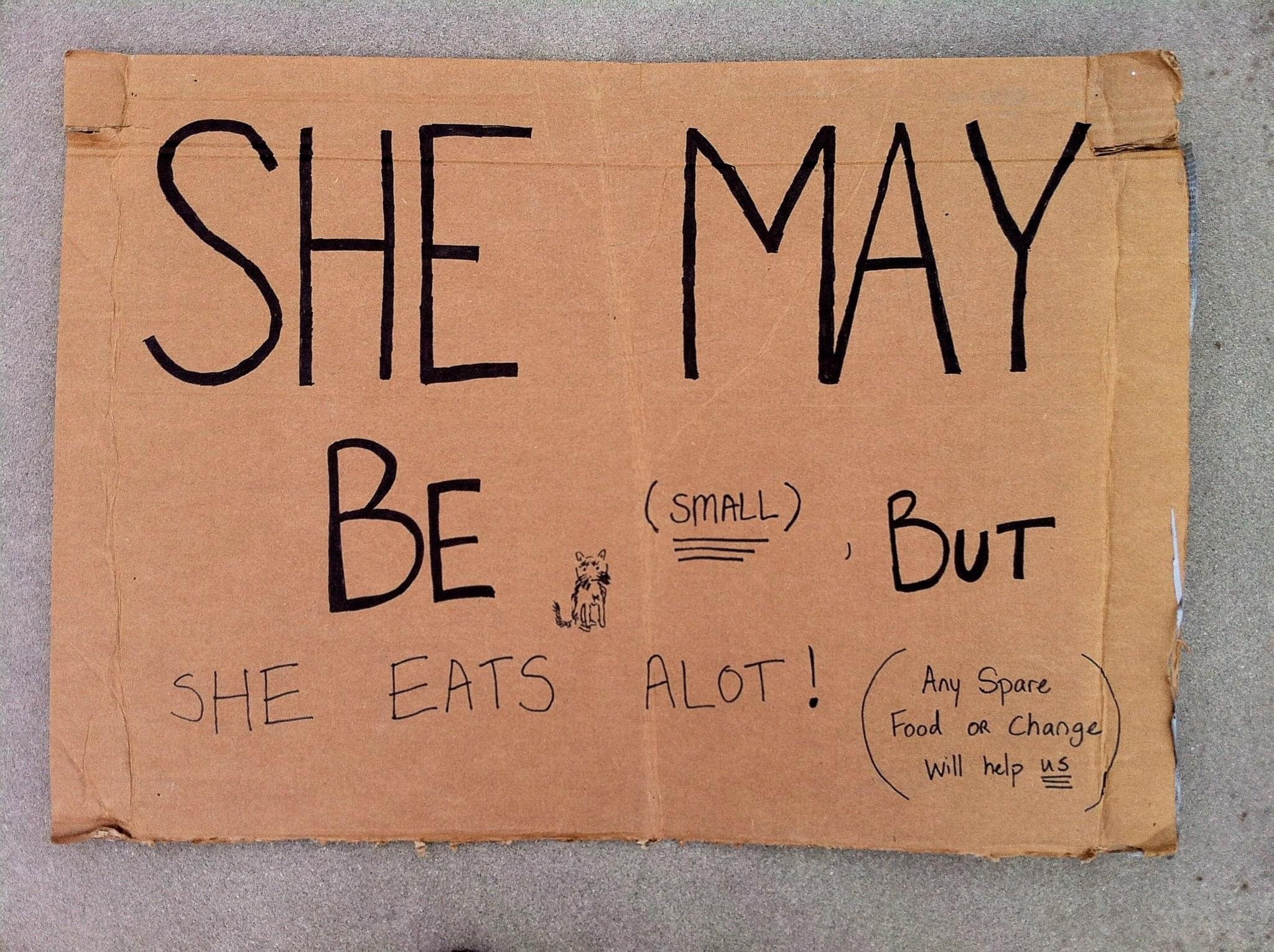
The second post of our youth homelessness blog series summarizes the findings of several research studies of youth experiencing homelessness with their animal companions. Research demonstrates notable benefits of pet ownership for many youth experiencing homelessness, including significant physical and emotional support from their animal companions, particularly with youth who do not have access to safe and permanent shelter. Yet many youth experiencing homelessness with their animal companions also report significant barriers to accessing supportive services, such as shelter, housing, and employment due to “no pets allowed” rules.
By Abbie Steinback, AMSW, and Blair Marshall
Overview
The second post of our youth homelessness blog series summarizes the findings of several research studies of youth experiencing homelessness with their animal companions. Research demonstrates notable benefits of pet ownership for many youth experiencing homelessness, including significant physical and emotional support from their animal companions, particularly with youth who do not have access to safe and permanent shelter. Yet many youth experiencing homelessness with their animal companions also report significant barriers to accessing supportive services, such as shelter, housing, and employment due to “no pets allowed” rules.
Protection
Youth experiencing homelessness often report feeling a strong sense of protection from their animal companions. In one study, among 332 youth experiencing homelessness who owned pets, 64% identified protection to be a benefit of pet ownership (Rhoades et al., 2015). Qualitative studies have also found that youth experiencing homelessness described their pets, primarily dogs, as their protectors (Bender et al., 2007; Rew, 2000; Thompson et al., 2016). Relationships for some youth were “conceptualized as the difference between life or death.” A first person experience shared by one youth stated that his dog saved him from being victimized on the street. Feeling safe on a daily basis is intertwined with mental well-being (Schmitz et al., 2021).
Emotional Support
Studies have demonstrated that a companion animal may support a young person’s well-being beyond the literal physical protection. In evaluating the relationship between pet ownership and depression among youth experiencing homelessness, several studies found that pet ownership was associated with fewer depressive symptoms compared to youth without a pet and that pets often alleviate depressive symptoms (Rhoades et al. 2015, Lem et al., 2016, Schmitz et al., 2021). Interactions with companion animals are also found to mitigate loneliness, promote responsibility, prevent self-harm, and help in developing healthy self-esteem (Schmitz et al., 2021). In addition, pets serve as significant emotional resources for youth, particularly youth who are LGBTQ+ and more than twice as likely to become homeless and endure greater adversity while homeless (Schmitz et al., 2021). Youth in the study saw their pets as sources of crucial emotional support that they drew from in troubling times, said that their pets boosted their sense of self in positive ways, and that their pets provided a sense of stability and purpose in their lives. Some youth experiencing homelessness in the study shared the following about their companion animals,
“They know when you’re hurting and they’re there for you.”
“At least in one creature’s eyes, I’m doing the best I can.”
“They rely on me...I do need to be there for them to make sure they get fed and clean their litter box...it forces me to at least make sure I’m okay enough to be there for them.”
Barriers to Service
Despite this overarching evidence of the protection and support that animal companionship provides to many youth experiencing homelessness, findings have shown that having a pet can create barriers to accessing support services. Rhoades et al. (2015) reported that these youth accessed significantly fewer housing and employment support services, with almost half of these youth reporting that their pets made it more difficult to stay in emergency shelters. A lack of reliable, trustworthy, and safe pet care was also reported by youth experiencing homelessness with their pet as a barrier to maintaining employment (Bender et al., 2007; Lem et al., 2013). While Rhoades et al. (2015) did not find a difference in youth with or without pets in the use of food, clothing, health, education, or legal services, just over 10% of youth with pets did report difficulties accessing doctor’s appointments and approximately 60% reported that their pets eat before they do. In another study, researchers found a decrease in use of drop-in centers for youth experiencing homelessness with dogs (Tucker et al., 2018).
One advocate with lived experience shared the following powerful words:
“The sense of meaning and purpose a beloved, loyal animal friend embodies cannot be underestimated. The comfort, companionship, emotional validation, is often their sole hope in an environment of isolation, stigma, stress, and absence of a healthy family support system. To ask a vulnerable youth to choose between shelter/housing and a friend who has been through hell with them, and loved and protected them, is a cruelty and counters their well-being in very real ways. You are asking them to surrender who they love most. We are not merely providing housing, we are called to provide a home. And without their companions, hearts are broken and retraumatized. Home is where love is. Home is where safety is. Home is where feeling seen and understood is. Do not amputate this relationship. To ask this of anyone is problematic, but especially so for vulnerable and homeless youth: the risk of depression, trauma and even suicidal symptoms will be the likely result. We must strategize for more humane solutions and accommodations.”
Conclusions
Pets often serve as lifelines, particularly in times of distress. All kinds of services including drop-in centers, emergency shelters, housing, and employment support, need to be expanded to acknowledge the diverse needs of young people experiencing homelessness, which include efforts to welcome companion animals in physical spaces. For many youth, “no pets allowed” policies are the primary reason they do not utilize critical shelter and support services. It is also essential to consider the well-being of both the humans and the animals when making services pet-inclusive (Schmitz et al., 2021).
Resources are available for shelters and social support services hoping to become pet-inclusive. Please reach out to My Dog Is My Home (info@mydogismyhome.org) to explore what existing resources can support your program.
References
Kerman, N., Gran-Ruaz, S., & Lem, M. (2019). Pet ownership and homelessness: A scoping review. Journal of Social Distress and the Homeless, 28(2), 106-114.
Lem, M., Coe, J. B., Haley, D. B., & Stone, E. (2013). Effects of companion animal ownership among Canadian street-involved youth: A qualitative analysis. J. Soc. & Soc. Welfare, 40, 285.
Lem, M., Coe, J. B., Haley, D. B., Stone, E., & O'Grady, W. (2016). The protective association between pet ownership and depression among street-involved youth: A cross-sectional study. Anthrozoös, 29(1), 123-136.
Rew, L. (2000). Friends and pets as companions: Strategies for coping with loneliness among homeless youth. Journal of child and adolescent psychiatric nursing, 13(3), 125-132.
Rhoades, H., Winetrobe, H., & Rice, E. (2015). Pet ownership among homeless youth: Associations with mental health, service utilization and housing status. Child Psychiatry & Human Development, 46(2), 237-244.
Schmitz, R. M., Carlisle, Z. T., & Tabler, J. (2021). “Companion, friend, four-legged fluff ball”: The power of pets in the lives of LGBTQ+ young people experiencing homelessness. Sexualities, 1363460720986908.
Tucker, J.S.; Pedersen, E.R.; Parast, L.; Klein, D.J. (2018). Factors Associated with Drop-in Center Utilization among Unaccompanied Youth Experiencing Homelessness. Child. Youth Serv. Rev., 91, 347–354.
An Introduction to Our Youth Homelessness Series
On March 24, 2022 the US Department of Housing & Urban Development (HUD) issued their Youth Homelessness Demonstration Program (YHDP) Notice of Funding Opportunity (NOFO), providing instruction on how communities across the US can apply for $72 million to prevent and end homelessness. The YHDP is one of the first dedicated federal initiatives that funds permanent housing programs for youth, and focuses on building local coordinated systems for responding to youth homelessness.
On March 24, 2022 the US Department of Housing & Urban Development (HUD) issued their Youth Homelessness Demonstration Program (YHDP) Notice of Funding Opportunity (NOFO), providing instruction on how communities across the US can apply for $72 million to prevent and end homelessness. The YHDP is one of the first dedicated federal initiatives that funds permanent housing programs for youth, and focuses on building local coordinated systems for responding to youth homelessness.
The deadline for communities to apply is June 28, 2022, after which HUD will award funds to up to 25 communities nationwide. Once HUD announces the selected recipients, the communities will have 6 months to develop and submit a Coordinated Community Plan detailing a vision, list of goals, objectives, action steps, and new projects, among other things, that will meet the need to prevent and end youth homelessness.
For the next several months, as a broad range of stakeholders focus their attention on the NOFO and its goal to build local and national momentum to address youth homelessness, My Dog Is My Home is launching its new blog with a series dedicated to youth experiencing homelessness with their animal companions. By spotlighting the voices of youth with lived experience, research, and programs, we hope this series both expresses the need for pet-friendly services and provides a roadmap for serving youth and their animals together in homeless services.
To begin, watch this video about Judie - a young person who struggled to find services that would accept her and her dogs together: https://youtu.be/Rm2U6KaqSkE.